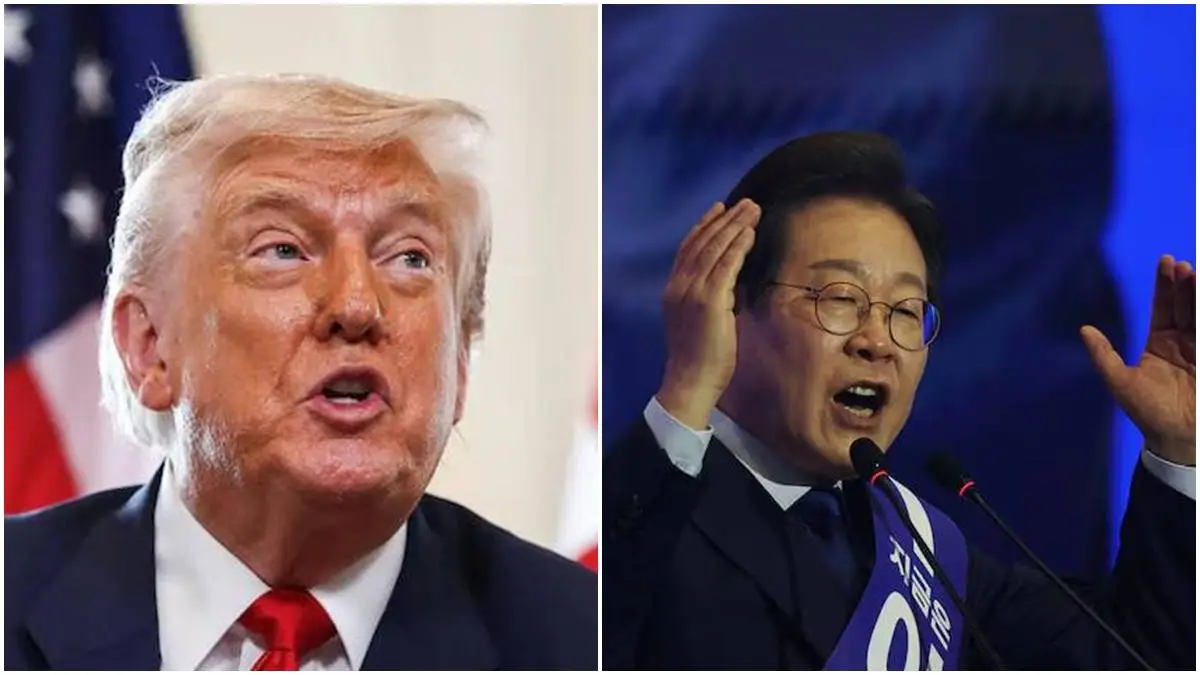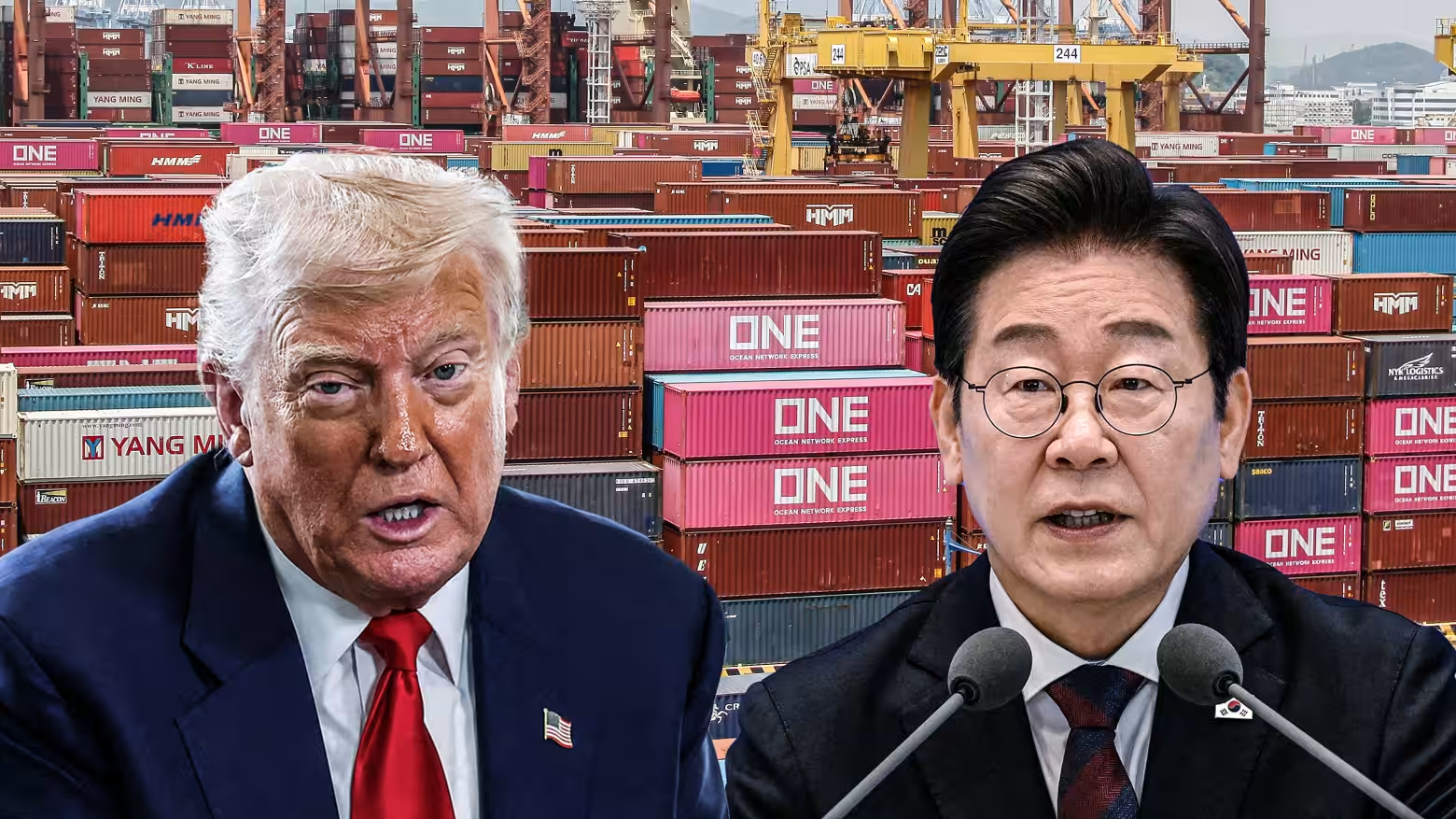
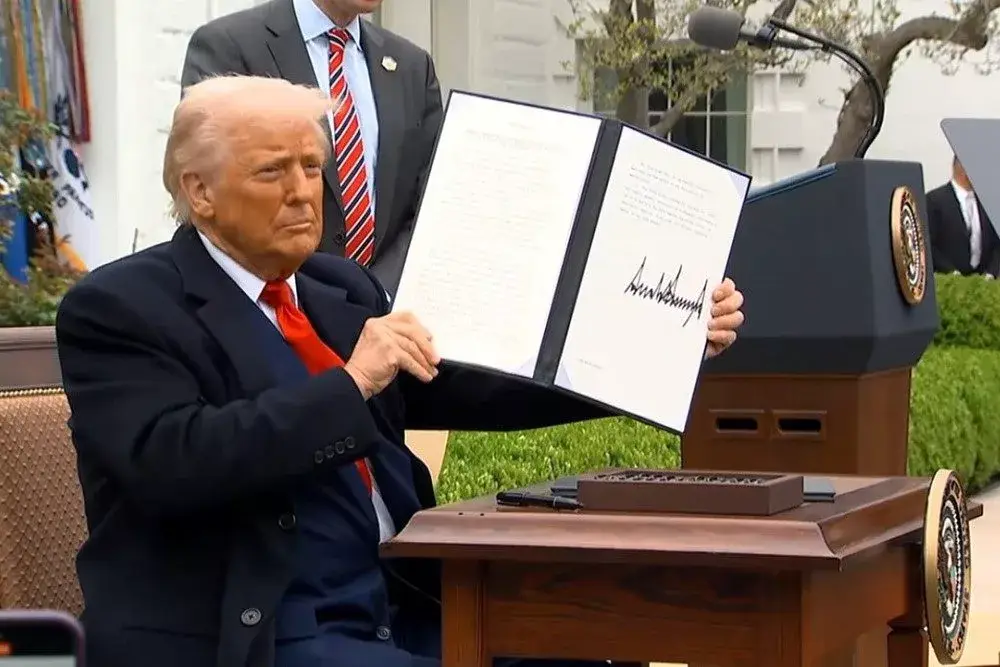
n a pivotal development for global trade, the United States and South Korea have finalized a historic tariff agreement, securing a 15% tariff framework just weeks before the August deadline. The deal, announced jointly by trade officials from both nations, is set to recalibrate economic ties between Washington and Seoul, strengthen bilateral cooperation, and send a signal of stability to global markets.
The agreement comes after months of negotiations marked by concerns over supply chains, technology exports, and the balance of trade in strategic sectors. By reaching consensus, both sides aim to reduce friction, protect key industries, and foster long-term investment opportunities.
“This deal represents a forward-looking approach to international trade, ensuring that the U.S. and South Korea remain strategic economic partners in a time of rapid global transformation,” stated a senior U.S. trade official.
South Korea, a critical hub for advanced manufacturing and technology, has long been one of the U.S.’s closest allies in Asia. The 15% tariff structure is expected to bring clarity for businesses on both sides, impacting industries ranging from automobiles and semiconductors to energy and agriculture.
Global leaders are closely watching the agreement, viewing it as a model for constructive diplomacy at a time when protectionist policies and trade disputes continue to reshape the international economic order. Analysts suggest the deal could provide momentum for broader multilateral discussions and ease tensions within global supply chains.
As the August deadline loomed, the successful conclusion of this tariff deal underscores the enduring importance of U.S.–South Korea relations and highlights the power of negotiation in securing balanced outcomes for the global economy.